The Complete Guide to Wooden Pallets: Types, Uses, and Benefits
Wooden pallets are the unsung heroes of global logistics and supply chains. These simple yet sturdy platforms form the foundation for storing, handling, and transporting goods across industries. From warehouses and factories to retail stores and even DIY projects, wooden pallets play a critical role in modern commerce. In this comprehensive guide, we will explore the different types of wooden pallets, their standard sizes, key advantages, how to select the right one, and best practices for maintenance and reuse. Whether you are a business owner, logistics manager, or a hobbyist, understanding wooden pallets can help you optimize your operations and save costs.
What Are Wooden Pallets?
Wooden pallets are flat transport structures that support goods in a stable manner while being lifted by forklifts, pallet jacks, or other material handling equipment. They are typically made from softwoods like pine or hardwoods like oak, and are designed to bear heavy loads. The basic design consists of top deckboards, stringers (or blocks), and bottom deckboards, creating a strong yet lightweight platform. Wooden pallets are the most common type of pallet globally, accounting for over 90% of all pallets used in North America. Their popularity stems from their affordability, ease of repair, and recyclability.
Common Types of Wooden Pallets
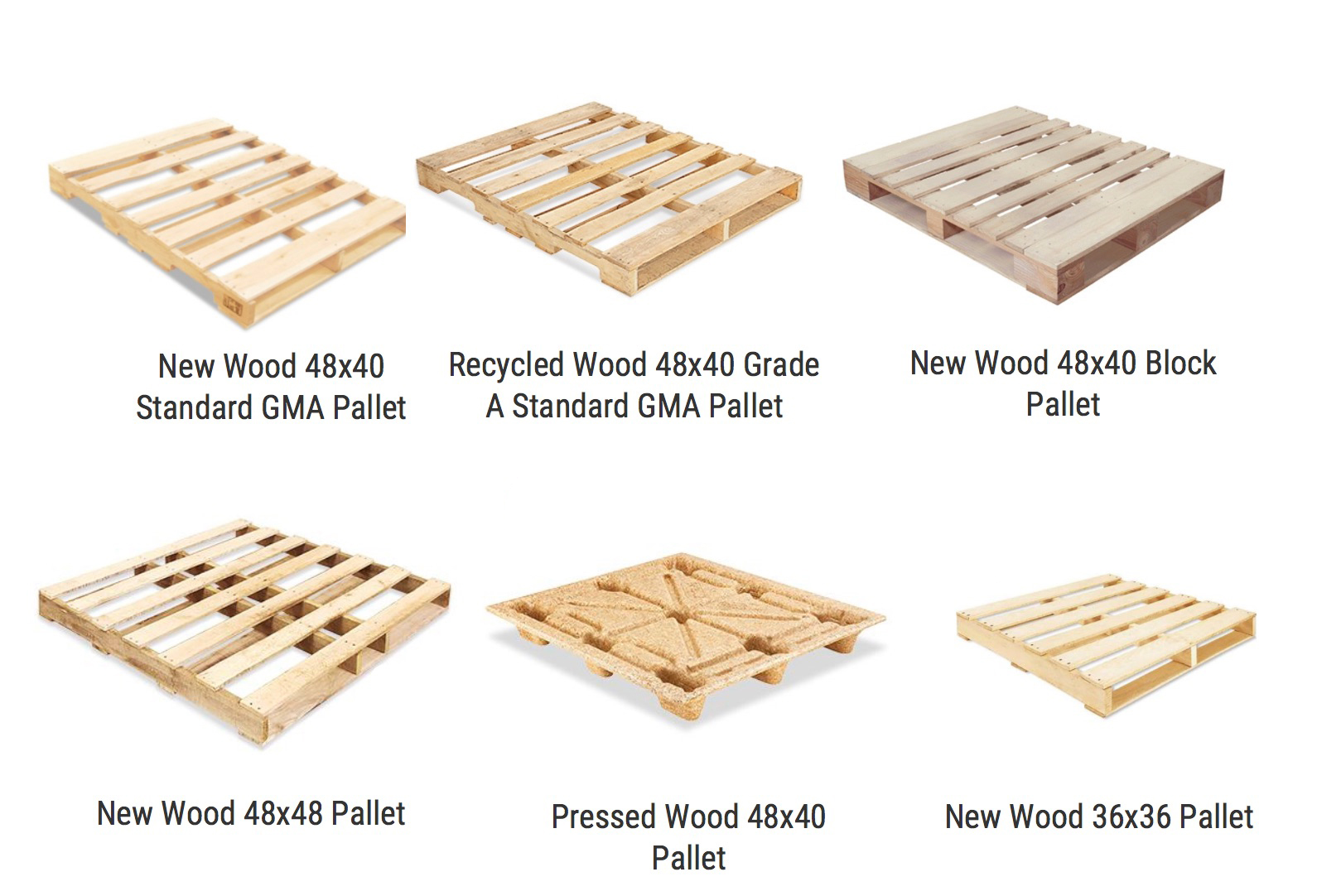
There are several types of wooden pallets, each designed for specific applications:
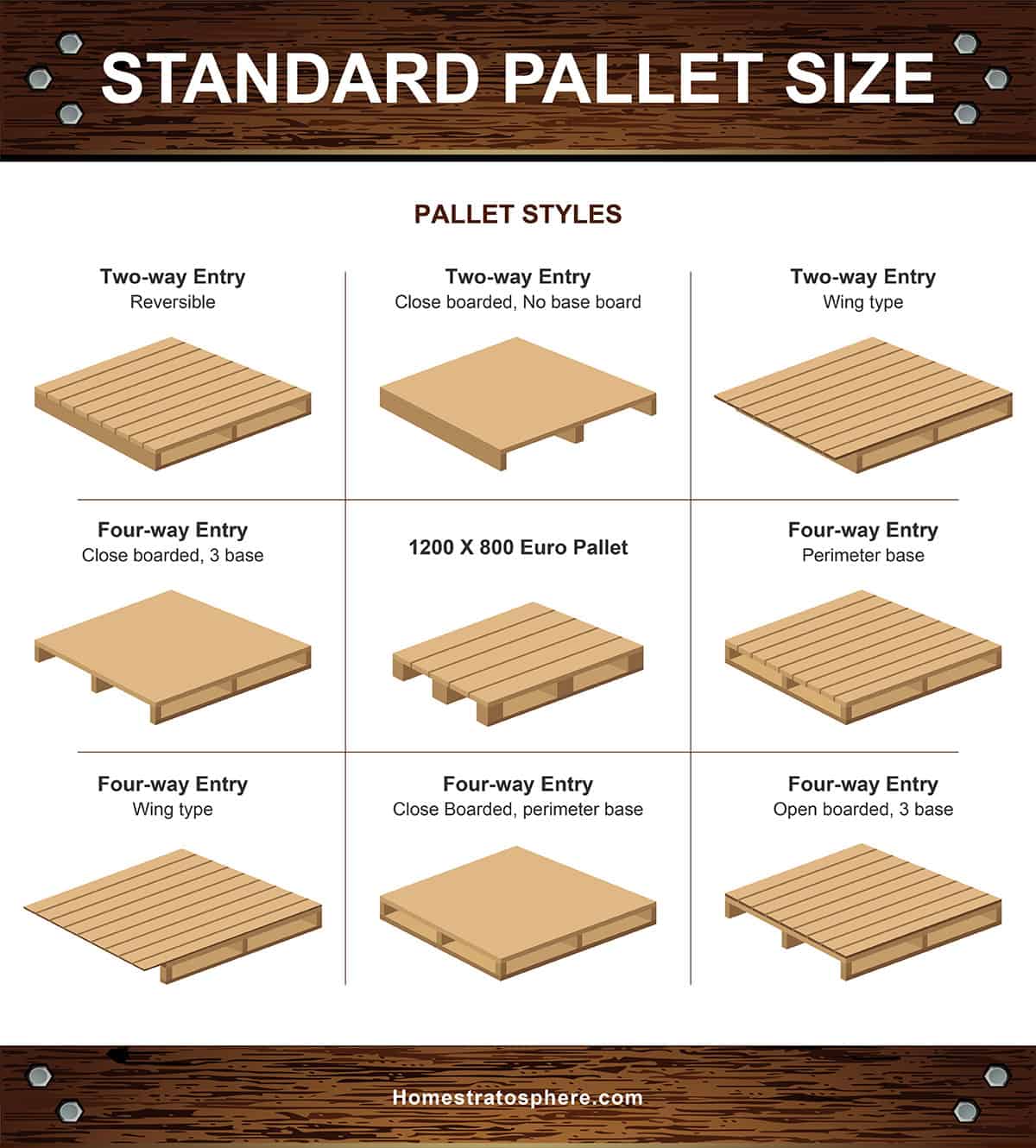
- Stringer Pallets: The traditional design with three parallel stringers (runners) supporting the deck. These are the most common and cost-effective.
- Block Pallets: Include four-way entry capabilities, allowing forklifts to access from all sides. They are more durable but slightly more expensive.
- Custom Pallets: Built to specific dimensions or load requirements for unique applications.
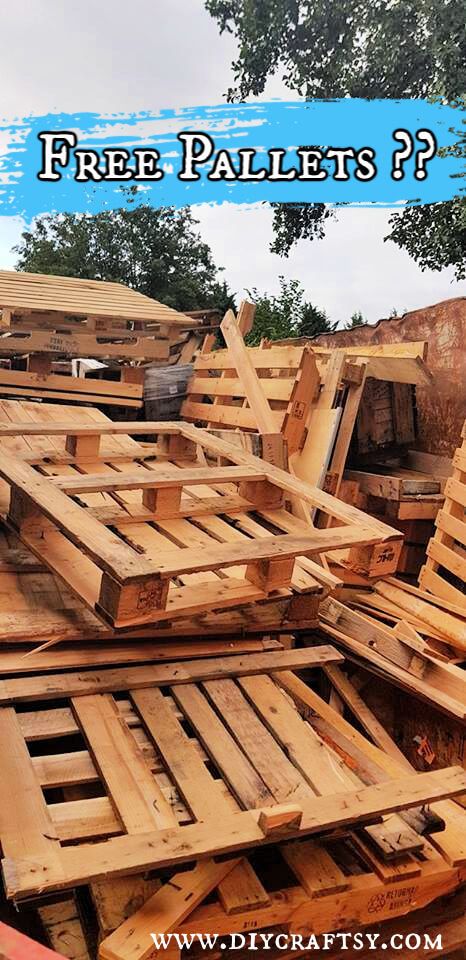
- Recycled Pallets: Made from reclaimed wood, offering an eco-friendly and budget-friendly option.
- Softwood vs. Hardwood: Softwood pallets are lighter and cheaper, while hardwood pallets are stronger and more resistant to damage.
Understanding these types helps businesses select the right pallet for their specific cargo and handling environment.
Standard Sizes and Specifications
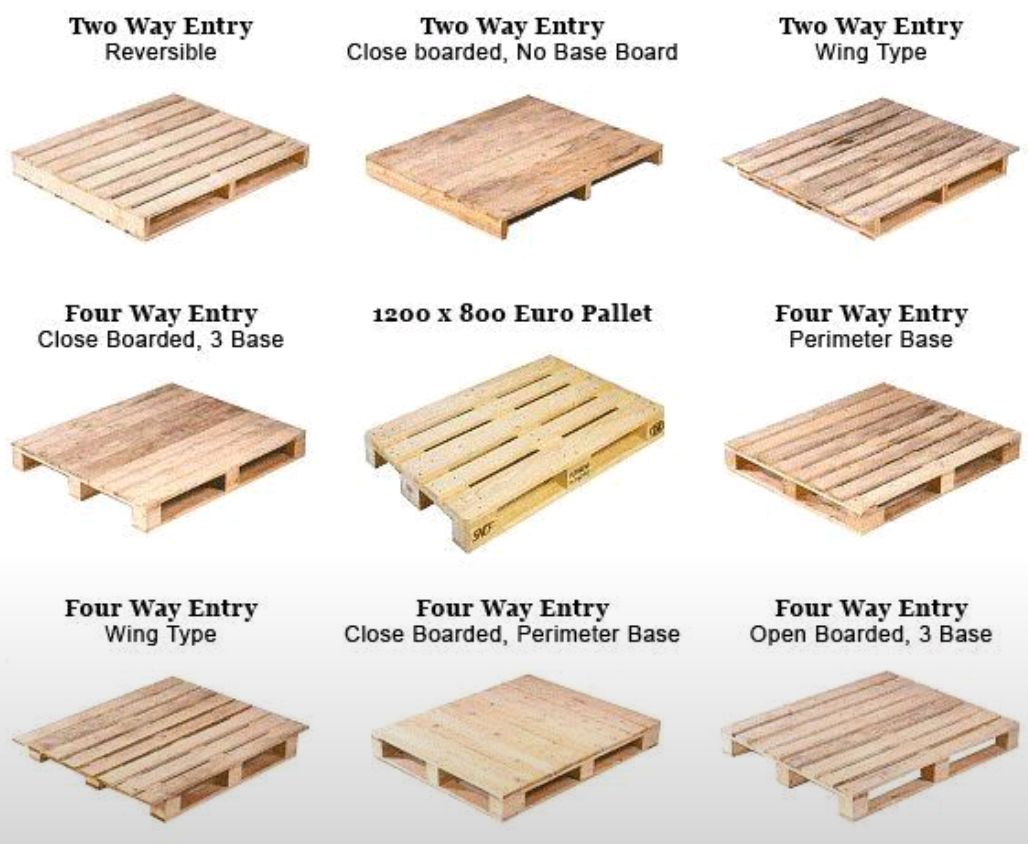
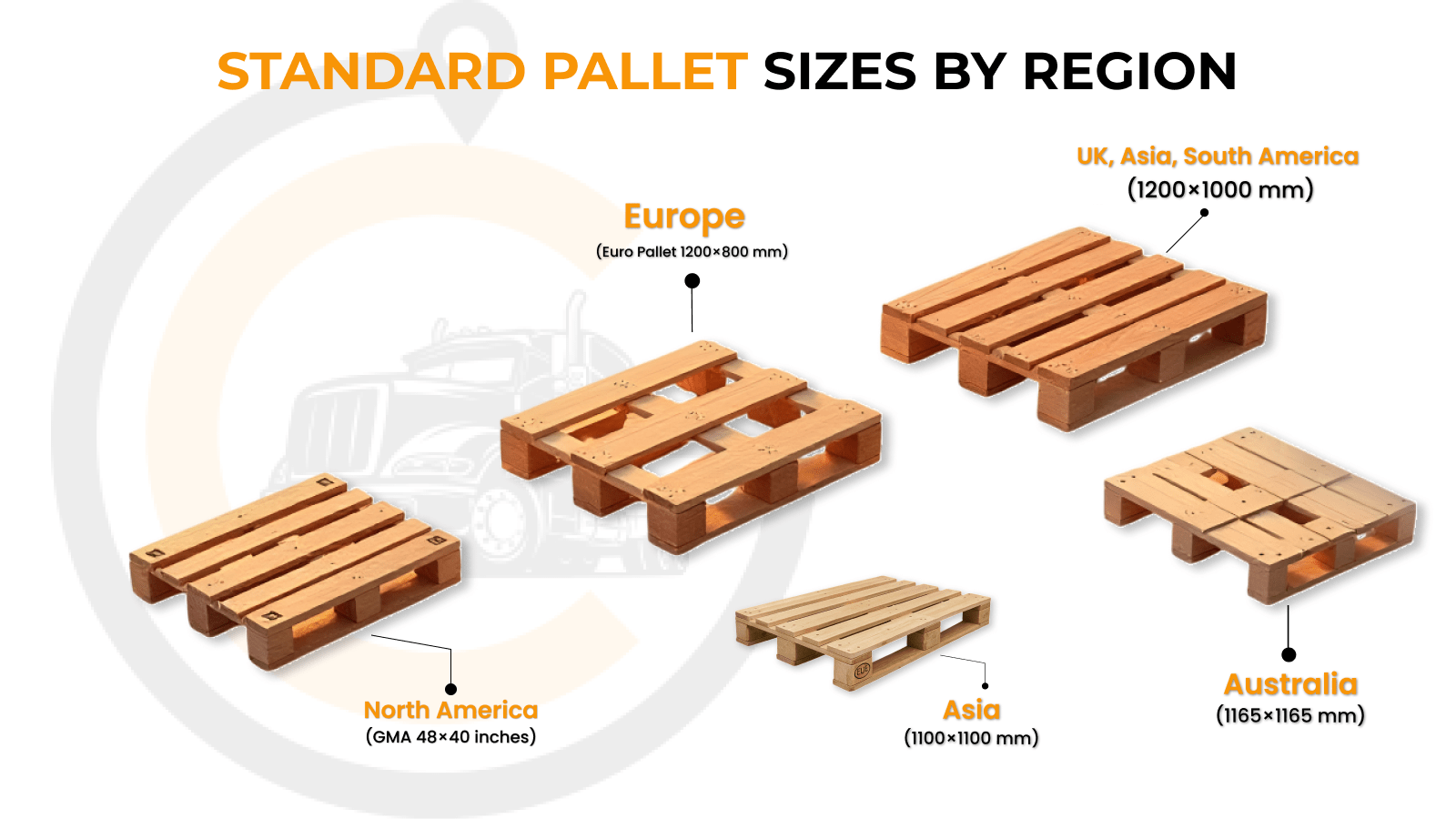
While wooden pallets come in many sizes, there are industry-standard dimensions that dominate the market. The most common pallet size worldwide is the 48″ x 40″ pallet, widely used in North America, especially in the grocery and consumer goods industries. In Europe, the EUR pallet (1200 x 800 mm) is standard. Other standard sizes include 42″ x 42″ (for the chemical industry) and 48″ x 48″ (for military and heavy industrial applications). Pallet height typically ranges from 4 to 6 inches, and load capacity can vary from 1,000 to 4,000 pounds depending on construction and wood quality. When choosing pallets, it’s essential to consider the dimensions of your storage racks and shipping containers to ensure efficient use of space.
Advantages of Using Wooden Pallets
Wooden pallets offer numerous benefits that make them a preferred choice for businesses:
- Cost-Effective: Wood is an abundant and renewable resource, making wooden pallets generally cheaper than plastic or metal alternatives.
- Versatility: They can be used for a wide range of products, from heavy machinery to lightweight boxes.
- Ease of Repair: Broken deckboards can be replaced quickly, extending the pallet’s life.
- Recyclability: Wooden pallets can be repaired, repurposed, or recycled into mulch, particleboard, or biomass fuel.
- High Friction: Wood provides a natural grip, reducing load shifting during transport.
- Thermal Properties: Wood does not conduct heat or cold as much as metal, making it suitable for temperature-sensitive goods.
These advantages explain why wooden pallets remain dominant despite competition from plastic and metal pallets.
How to Choose the Right Wooden Pallet
Selecting the appropriate wooden pallet requires evaluating several factors:
- Load Weight and Distribution: Consider the total weight and how it’s distributed. For heavy loads, opt for hardwood or thick deckboards.
- Storage and Handling Equipment: If you use forklifts, block pallets with four-way entry improve efficiency. Ensure pallet size fits your rack system.
- Export Requirements: For international shipping, pallets must be ISPM 15 compliant to prevent pest spread, requiring heat treatment or fumigation.
- Reusability vs. One-Way: If pallets are used multiple times, invest in higher-quality ones. For one-way shipments, lightweight pallets reduce material cost.
- Industry Standards: Some sectors like pharmaceutical or automotive have strict pallet specifications. Check with your customers or suppliers.
By analyzing these factors, you can choose pallets that balance cost and performance.
Maintenance and Reuse of Wooden Pallets
Proper maintenance extends the life of wooden pallets and reduces waste. Regularly inspect pallets for broken boards, protruding nails, or structural damage. Repair minor issues by replacing damaged deckboards or hammering loose nails. For pallets in continuous use, consider a pallet inspection program. Reusing pallets not only saves money but also reduces environmental impact. Many businesses participate in pallet exchange programs or sell used pallets to recyclers. When pallets are beyond repair, they can be recycled into other wood products. Always ensure that recycled pallets are free from contaminants like chemical stains or infestations.
Frequently Asked Questions about Wooden Pallets
Are wooden pallets safe to use for food storage?
Yes, but only if they are treated and marked as “food-grade.” Heat-treated pallets (stamped with HT) are safe, while chemically treated (MB) pallets should not be used for direct food contact.
How much does a wooden pallet cost?
Prices vary widely based on type, quality, and region. A used standard 48×40 stringer pallet may cost $5-$10, while new block pallets can range from $15 to $30 each.
Can wooden pallets be recycled?
Absolutely. Wooden pallets are highly recyclable. They can be repaired, chipped into mulch, or used as biomass fuel.
What is the maximum weight a wooden pallet can hold?
It depends on construction. Standard stringer pallets typically support up to 2,800 lbs, while block pallets can hold up to 4,000 lbs or more.
How long do wooden pallets last?
With proper care, a wooden pallet can last for several years. However, reuse cycles vary; some pallets are used once, others dozens of times.
Wooden pallets are an integral part of the global supply chain, offering unparalleled value and versatility. By understanding the types, sizes, and best practices, businesses can make informed decisions that enhance efficiency and sustainability. Whether you are shipping products across the country or building furniture from reclaimed pallets, the humble wooden pallet remains a reliable and resourceful tool.