Power Tool Storage Ideas: 10 Clever Solutions for an Organized Workshop
Keeping your workshop organized can be a challenge, especially when you have a growing collection of power tools. Cluttered workspaces not only slow you down but also pose safety risks. The right storage solutions can transform your garage or basement into a functional, productive area. In this article, we explore ten clever power tool storage ideas that cater to different needs, spaces, and budgets. Whether you are a weekend DIY enthusiast or a professional contractor, these strategies will help you keep your tools accessible and your workspace clean.
Why Proper Power Tool Storage Matters
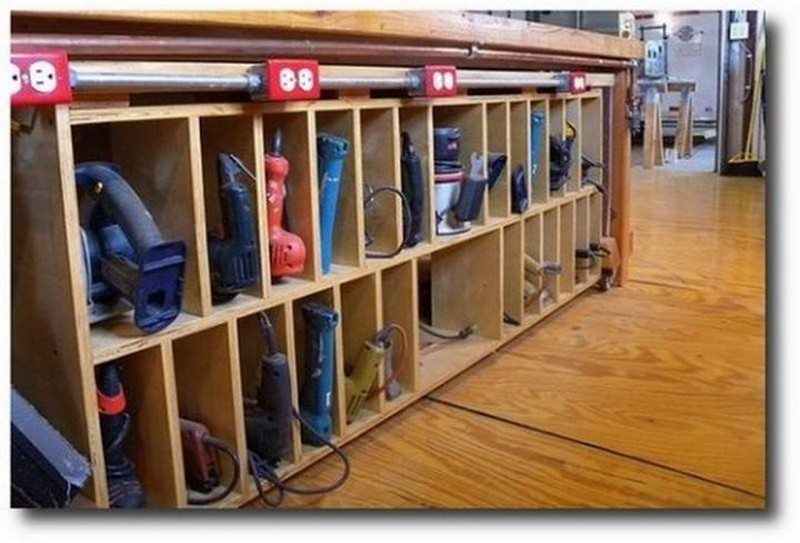
Proper storage is not just about aesthetics—it’s about efficiency, safety, and tool longevity. When tools are scattered, you waste valuable time searching for the right drill bit or wrench. Moreover, power tools can be damaged by moisture, dust, or accidental impacts if left loose. Storing them correctly prevents tripping hazards and keeps sharp or heavy items out of reach of children. Investing in a storage system also protects your investment: power tools are expensive, and proper care extends their lifespan. Ultimately, an organized workshop boosts your productivity and enjoyment of DIY projects.
Wall-Mounted Pegboard Systems
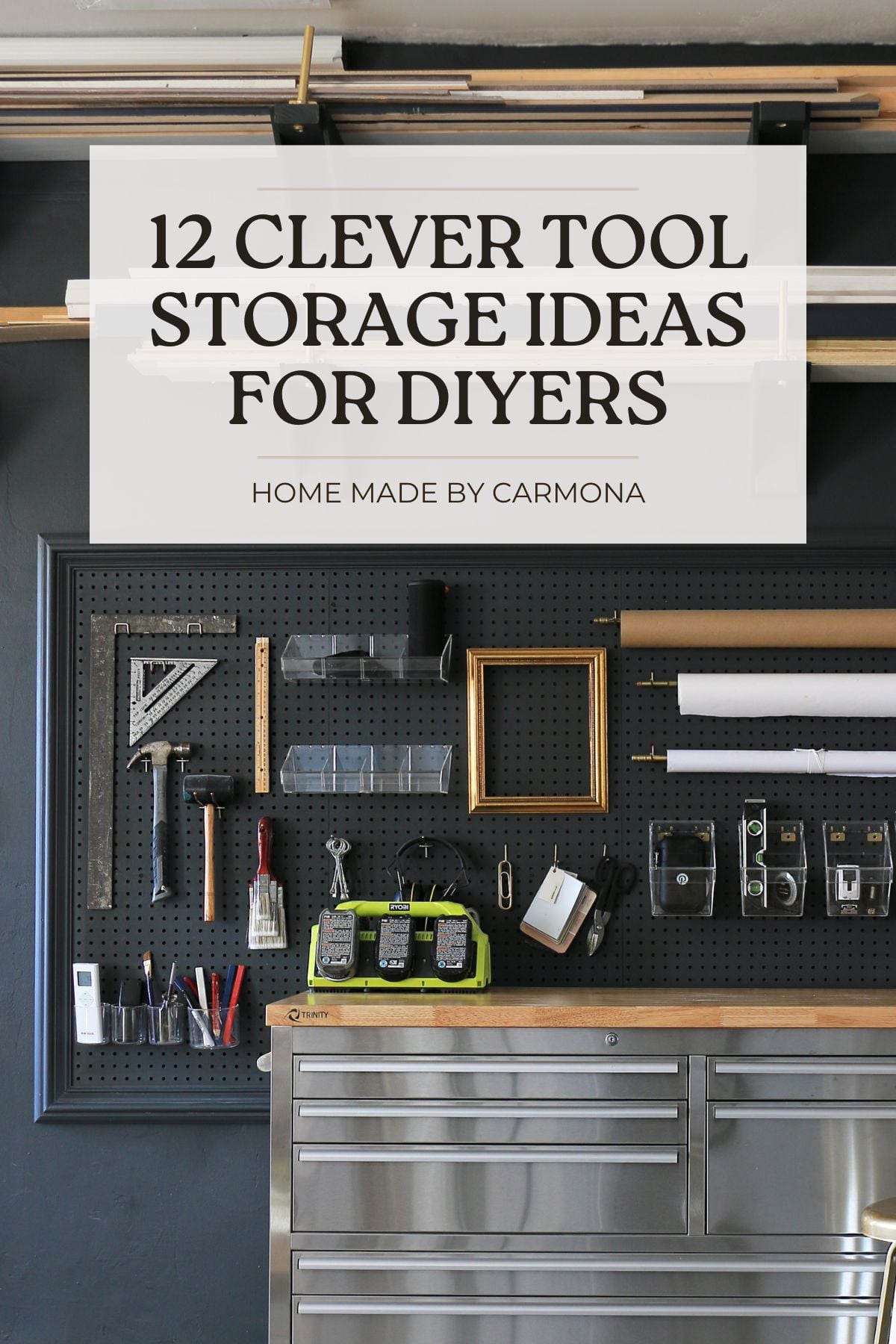
Pegboards are a classic and versatile solution for power tool storage. They allow you to hang tools vertically, making them easily visible and accessible. Modern pegboards come in materials like metal or high-density fiberboard, and you can customize the layout with hooks, baskets, and shelves. For power tools like drills, sanders, and circular saws, use specialized hooks that hold the tool by its handle or base. Pegboards are ideal for small to medium workshops because they maximize wall space. You can even paint them to match your decor or label each section for quick identification. Installation is straightforward: attach the board to wall studs with screws, ensuring it can bear the weight of your heaviest tools.
DIY Cabinets and Custom Shelving
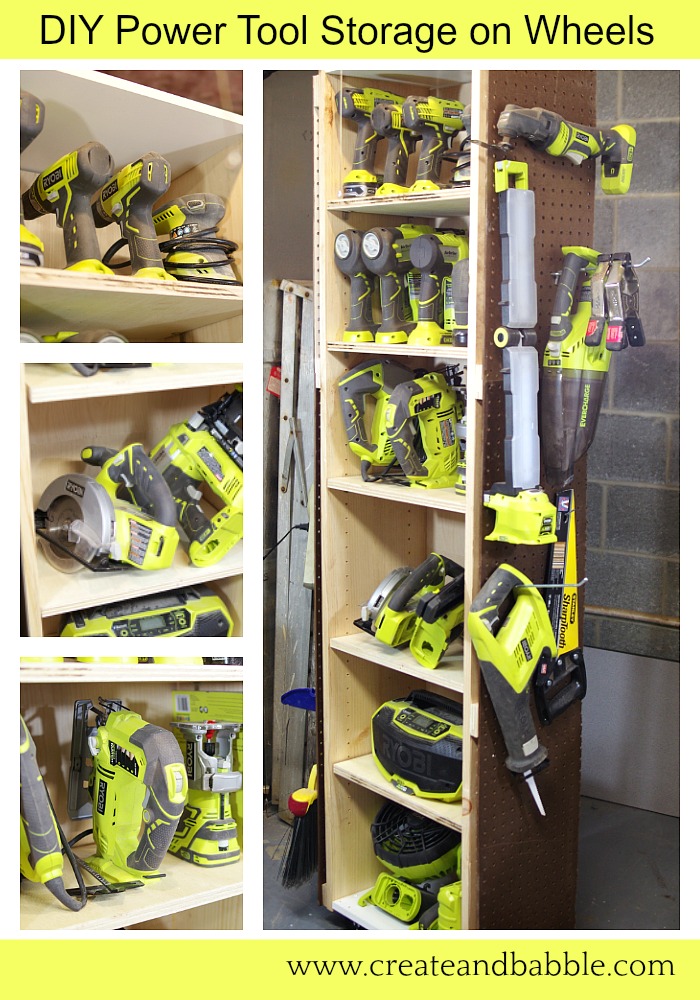
If you prefer closed storage to keep dust off your tools, custom cabinets are a great option. Build or repurpose cabinets with adjustable shelves to accommodate different tool sizes. Deep drawers are perfect for storing power saws, routers, and nail guns. For a budget-friendly approach, use heavy-duty shelving units with plastic bins. Label each bin for categories like “drills,” “sanders,” or “accessories.” You can also create a dedicated charging station by installing a shelf with built-in power strips and hooks for cordless tool batteries. Customizing your cabinets allows you to utilize awkward spaces like corners or low ceilings.
Rolling Tool Chests and Carts
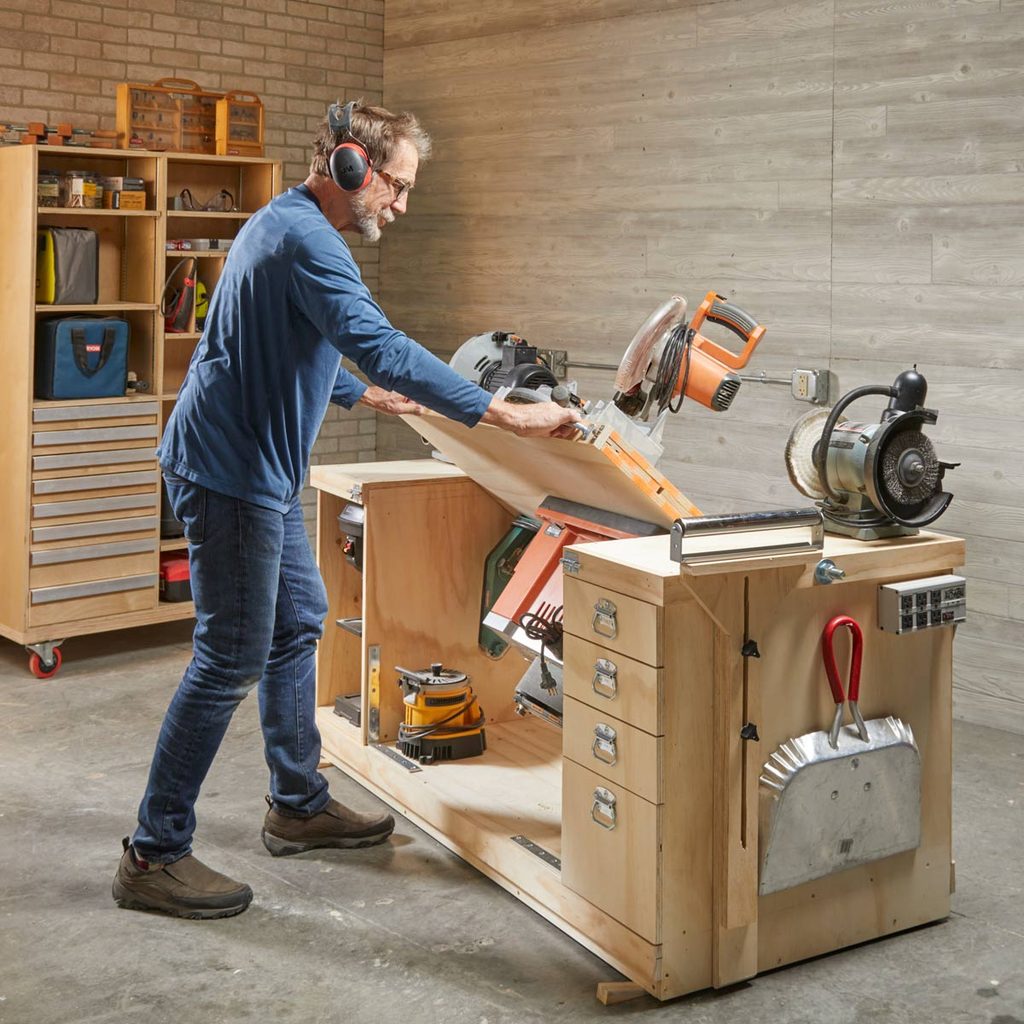
For workshops where mobility is key, rolling tool chests and carts are indispensable. These units often feature multiple drawers of varying depths, perfect for storing everything from small bits to heavy angle grinders. Look for chests with ball-bearing slides for smooth operation and a durable top that can double as a work surface. A rolling cart can be moved around your workspace, so you have tools right where you need them. Some models come with integrated power outlets and LED lights. If you have limited floor space, consider a compact cart that fits under a workbench. Tool chests also offer security with lockable drawers, keeping your tools safe from unauthorized use.
Magnetic and Vertical Storage Hacks
Magnets are a clever way to store metal tools and accessories. Install a magnetic strip on the wall or under a shelf to hold wrenches, screwdrivers, and even heavy power tools like drills if the magnet is strong enough. For heavy tools, use magnetic tool holders designed for shop use—these can hold up to several pounds. Vertical storage solutions include using the backs of doors or the sides of cabinets. Hang pegboard or over-the-door organizers to store small tools and accessories. Another hack is to use PVC pipes cut to size and mounted on the wall to hold long-handled tools like shovels and rakes, but for power tools, this works well for extension cords and hoses.
Drawer Organizers and Foam Inserts
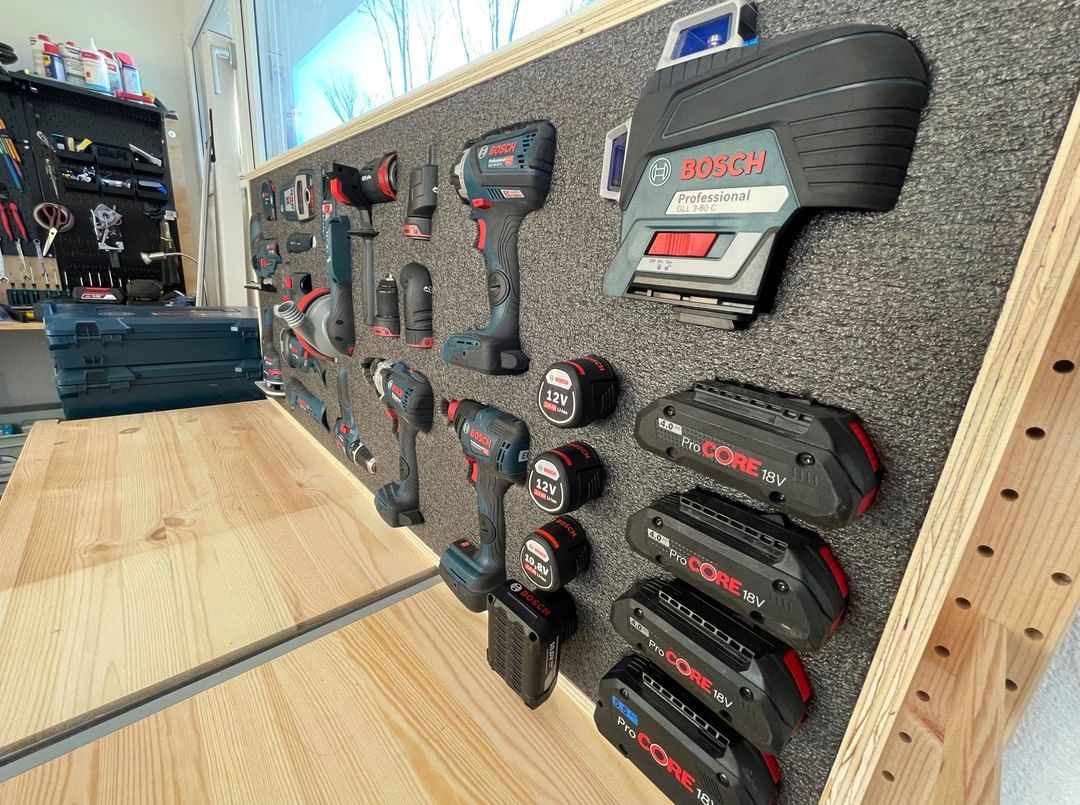
Drawer organizers are essential for keeping small parts and accessories tidy. Use adjustable dividers to create custom compartments for drill bits, sockets, and fasteners. For a professional touch, cut foam inserts to the shape of your tools—this is known as shadow boarding. It not only looks neat but also helps you immediately see if a tool is missing. You can buy pre-cut foam sets or cut your own using a sharp knife. This method is particularly popular for tool chests and workbench drawers. Organize by frequency of use: keep daily tools in top drawers and less-used items lower down.
Frequently Asked Questions about Power Tool Storage
Q: What is the best way to store power tools in a small garage?
A: Use vertical space with pegboards, wall-mounted cabinets, and magnetic strips. Rolling carts can be tucked away when not in use.
Q: How do I protect power tools from rust?
A: Store tools in a dry environment. Use silica gel packs in drawers, apply a light coat of oil to metal parts, and keep them off concrete floors.
Q: Can I store power tools in a shed?
A: Yes, but ensure the shed is insulated and climate-controlled to prevent temperature swings and moisture. Use sealed cabinets to keep out dust and pests.
Q: Should I remove batteries from cordless tools when storing?
A: Yes, remove batteries to prevent discharge and potential damage. Store batteries separately in a cool, dry place.
Q: How often should I clean my storage system?
A: Clean and reorganize your storage every few months to remove dust and check for any damaged tools.
By implementing these power tool storage ideas, you can create a workshop that is both functional and enjoyable to use. Start with a plan that fits your space and budget, and remember that even small changes—like adding a magnetic strip or labeling drawers—can have a big impact. An organized workshop not only saves you time but also protects your valuable tools, allowing you to focus on what matters: your projects. Whether you choose pegboards, cabinets, or a rolling chest, the key is to make every tool have a designated home. Happy organizing!