How to Build a DIY Cat Wheel: A Complete Step-by-Step Guide
Cats are natural athletes, and providing them with an outlet for their energy is essential for their health and happiness. A cat wheel, also known as a cat exercise wheel, is a fantastic way to keep your feline friend active indoors. While commercial cat wheels can be expensive, building your own DIY cat wheel is a cost-effective and rewarding project. In this guide, we’ll walk you through everything you need to know to construct a safe, durable, and fun cat wheel for your pet.
Why Build a DIY Cat Wheel?
Building your own cat wheel comes with numerous benefits. First, it’s significantly cheaper than purchasing a pre-made one, often saving you hundreds of dollars. You can customize the size, color, and materials to match your home decor and your cat’s preferences. Additionally, the process is a great bonding experience and gives you the satisfaction of creating something functional with your own hands. A DIY cat wheel also ensures that you know exactly what materials are used, so you can guarantee its safety and quality.
Materials You’ll Need
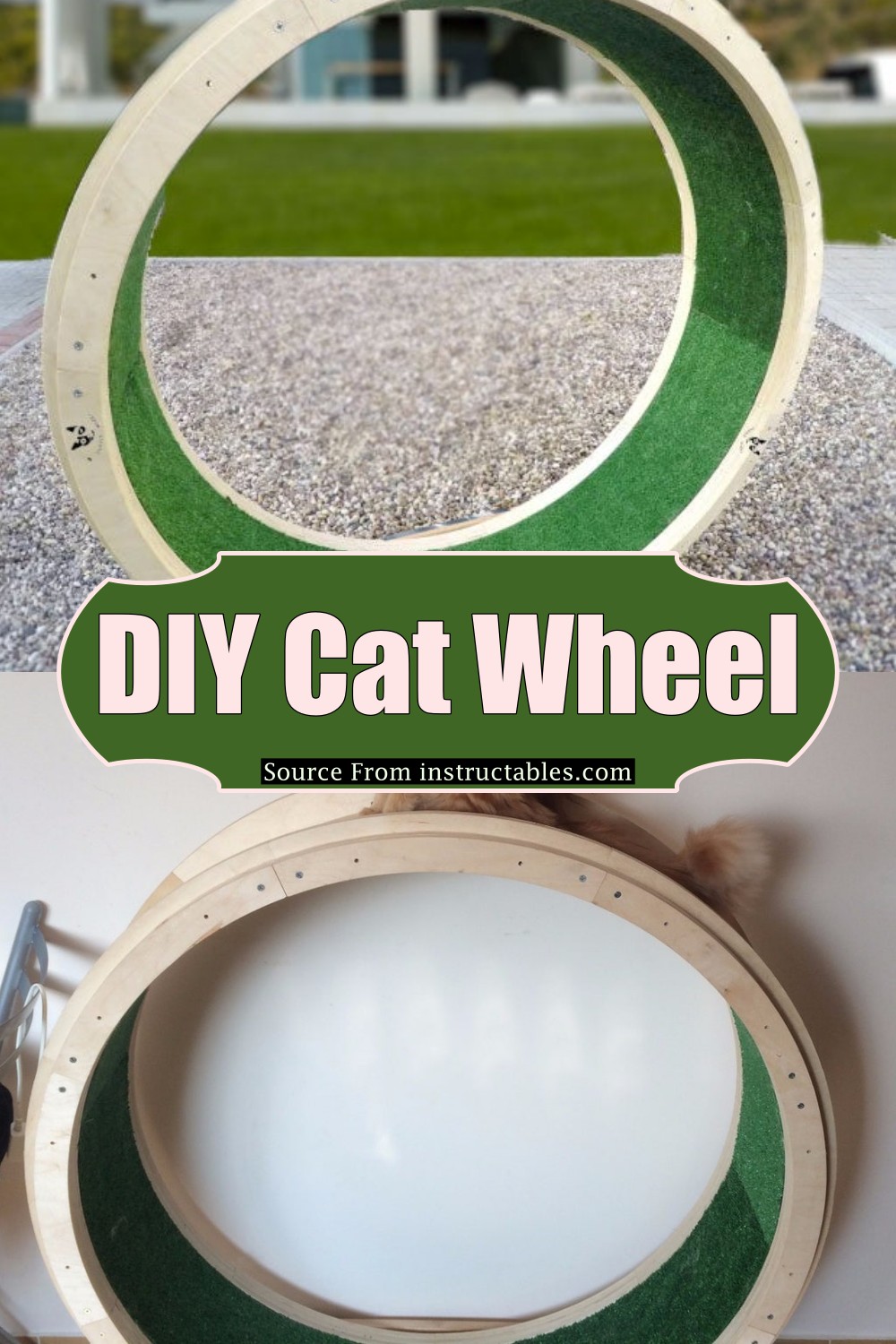
To build a sturdy and safe cat wheel, gather the following materials:
- Plywood or MDF (medium-density fiberboard) for the base and running surface
- Wooden dowels or PVC pipes for the frame supports
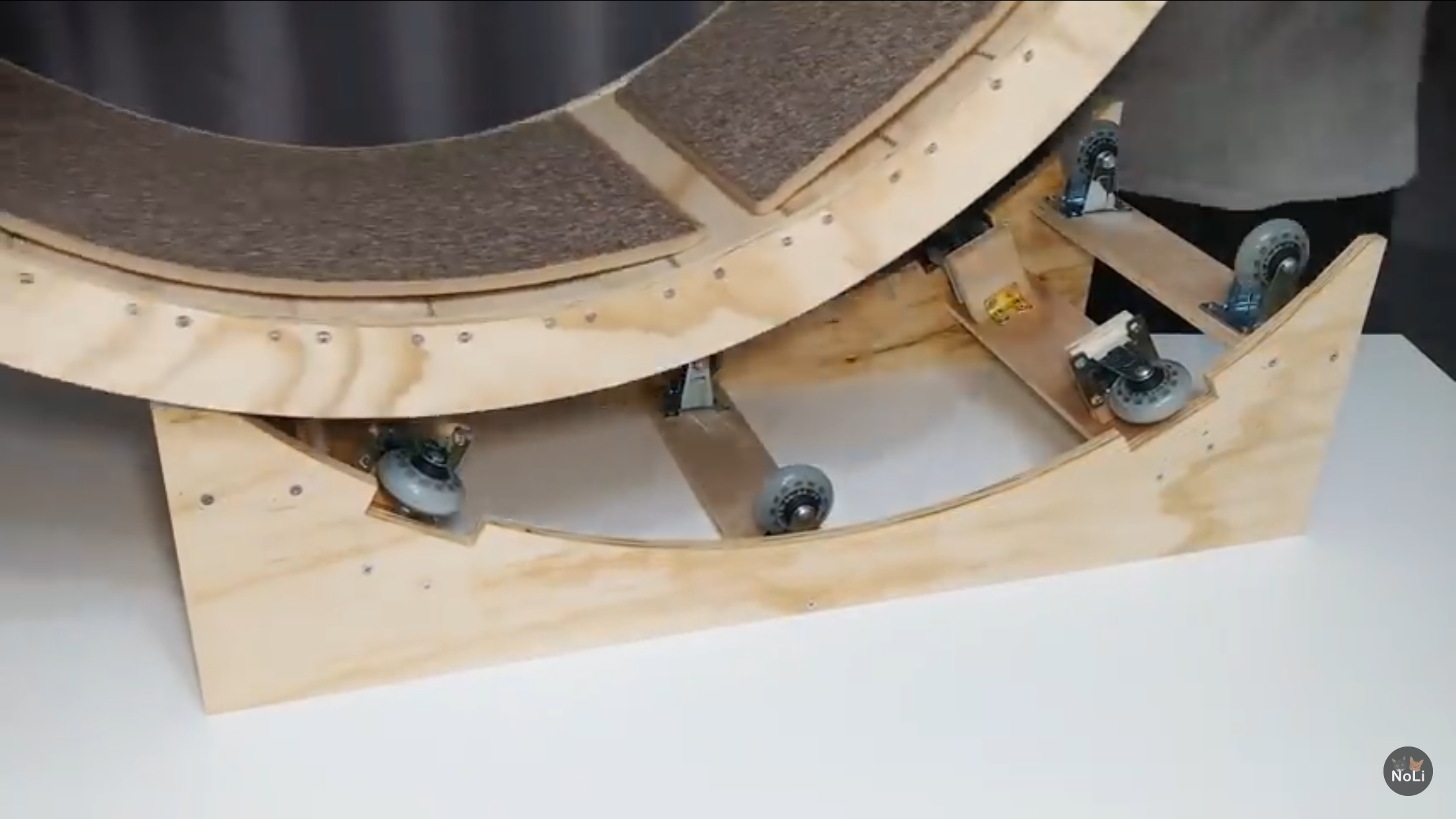
- Ball bearings or a lazy Susan mechanism for smooth rotation
- Wood screws, bolts, and nuts
- Wood glue
- Sandpaper (various grits)
- Non-toxic paint or sealant (optional)
- Rubber matting or grip tape for the running surface (optional)
Tools Required for the Project
You’ll need a few basic tools to complete this project:
- Jigsaw or circular saw
- Drill with various drill bits
- Screwdriver
- Measuring tape
- Level
- Clamps (optional but helpful)
- Safety goggles and gloves
Step 1: Designing and Measuring Your Cat Wheel
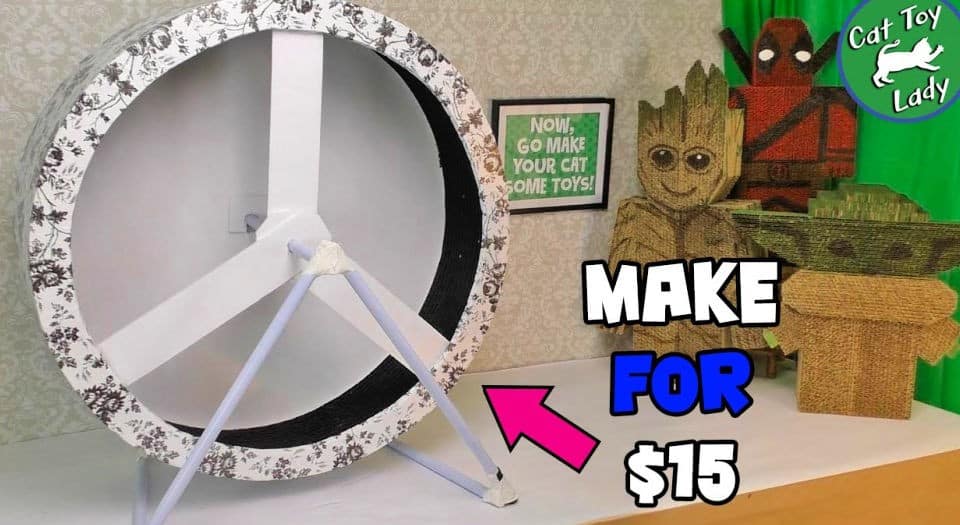
Start by determining the size of your cat wheel. The diameter should be at least 36 inches (91 cm) for most cats, but larger cats may need 48 inches (122 cm) or more. The running surface width should be about 12 inches (30 cm) to allow comfortable movement. Sketch a design, including the base, side supports, and wheel assembly. Remember that the wheel needs to rotate freely without wobbling.
Step 2: Cutting and Assembling the Base and Frame
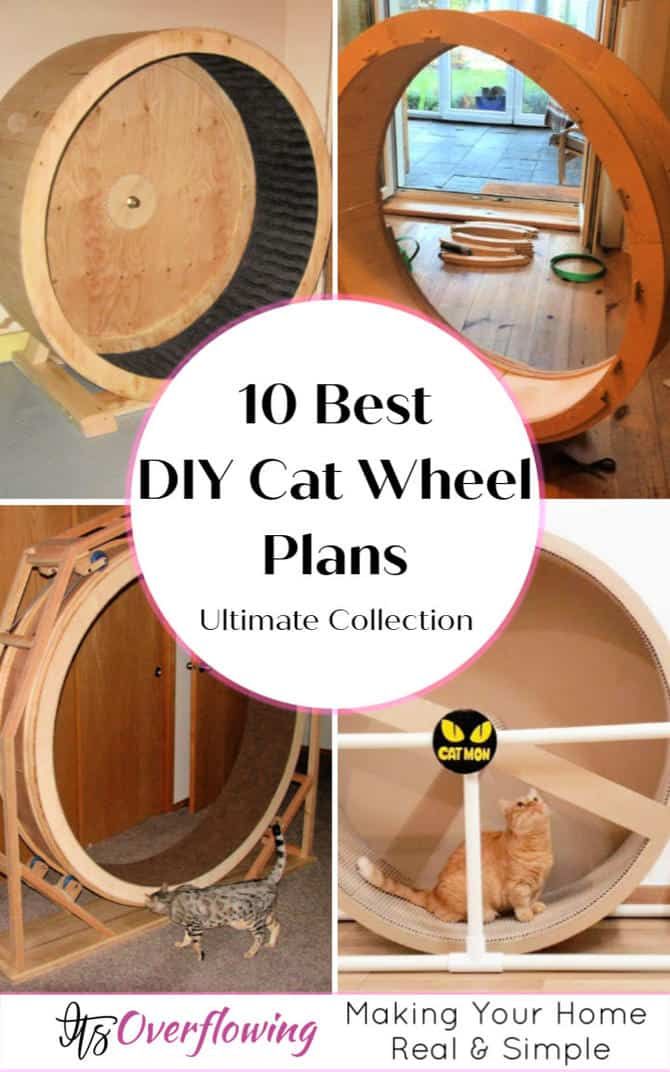
Using your jigsaw, cut two circular pieces from your plywood or MDF for the side walls of the wheel. The outer diameter should match your chosen size, and the inner diameter should be equal to the running surface width. Cut a base platform that is wide enough to support the wheel and prevent tipping. Attach the side walls to the base using screws and wood glue, ensuring they are vertical and parallel. Add cross-bracing for stability if needed.
Step 3: Building the Running Surface and Wheel Assembly
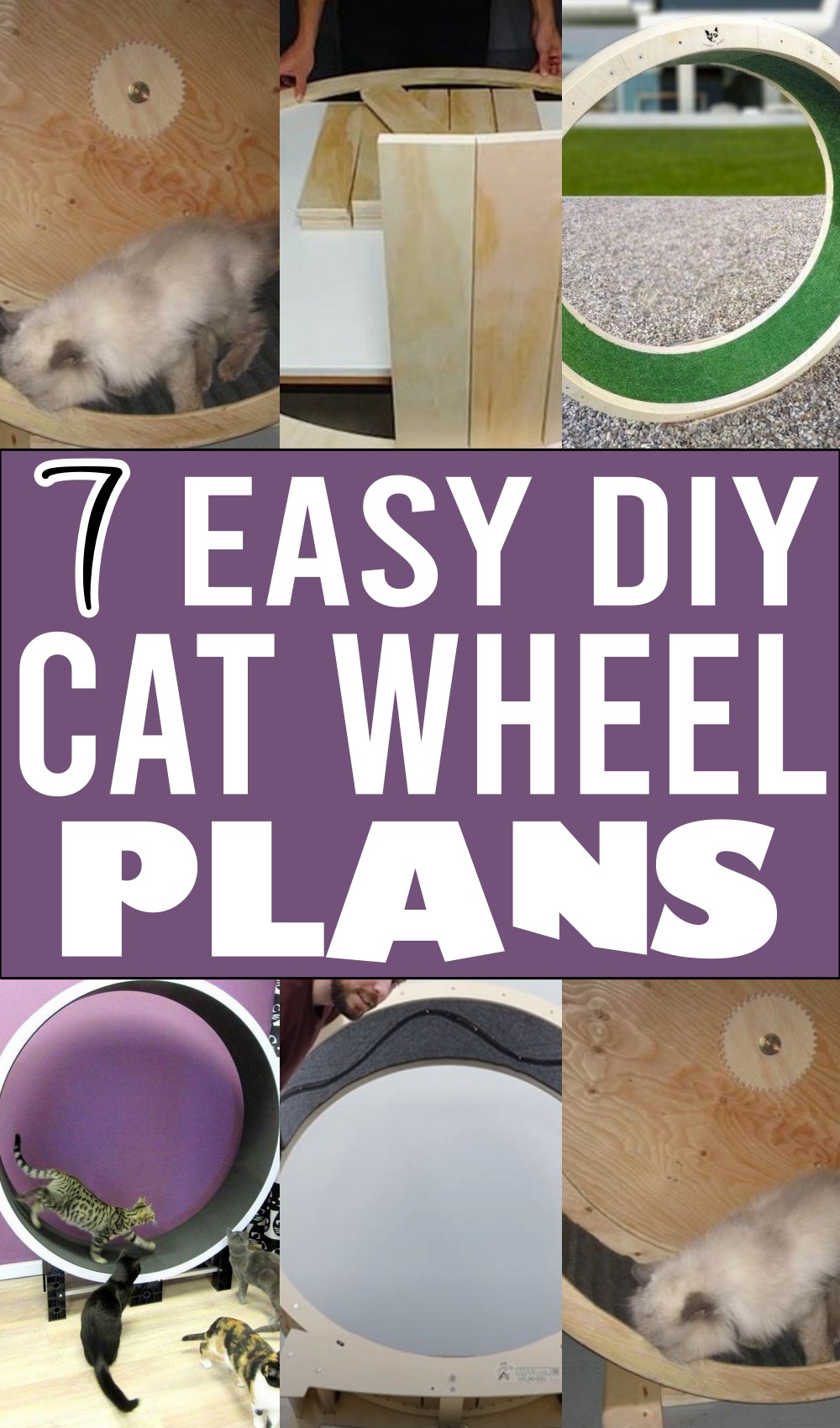
Now, create the running surface itself. Cut a long strip of plywood or flexible material (like thick cardboard or plastic) that will form the track. Bend it into a circle and attach it to the inner edges of the side walls using dowels or brackets. The track should be smooth and continuous. For the rotation mechanism, mount a lazy Susan or bearings at the center of the wheel. Attach a central axle that connects to the base or frame, ensuring minimal friction. Test the spin—it should rotate easily with a gentle push.
Step 4: Finishing and Safety Checks
Sand all surfaces thoroughly to remove splinters and rough edges. Apply a non-toxic paint or sealant if desired, but avoid strong fumes. Add rubber matting or grip tape to the running surface to provide traction and prevent slipping. Check for any sharp edges or loose screws. Ensure the wheel is stable and cannot tip over when your cat uses it. Finally, clean the wheel and let it dry completely before introducing it to your cat.
Tips for Encouraging Your Cat to Use the Wheel
Some cats may be hesitant at first. Place the wheel in a familiar area and use treats or toys to lure your cat onto it. Gently walk your cat on the wheel or use a wand toy to encourage movement. Never force your cat; instead, make it a positive experience. Over time, most cats learn to enjoy the activity on their own.
Frequently Asked Questions
Is a DIY cat wheel safe for my cat?
Yes, if built correctly. Ensure smooth edges, stable construction, and a non-slip surface. Always supervise initial use.
What size should I build for a large cat?
For large breeds like Maine Coons, aim for a diameter of 48 inches or more to prevent back strain.
Can I use a treadmill motor for a cat wheel?
It’s not recommended, as cats prefer self-paced exercise. A freely spinning wheel mimics natural movement.
How long will it take to build?
Expect 4-8 hours depending on your skill level and tools. Plan a weekend for the project.
Do I need to use ball bearings?
Ball bearings or a lazy Susan are essential for smooth, quiet rotation. They reduce friction and prolong the wheel’s life.
Building a DIY cat wheel is a rewarding way to enhance your cat’s indoor life. Not only does it provide essential exercise, but it also prevents boredom and destructive behavior. With the right materials and careful assembly, you’ll have a custom cat wheel that your feline friend will love for years. Get started today and watch your cat enjoy endless active fun!