The Technology Behind the B-21 Raider: Innovations in Stealth
The B-21 Raider, developed by Northrop Grumman, represents a significant leap in military aviation technology, particularly in stealth capabilities. Designed as a long-range, strategic bomber for the United States Air Force (USAF), the B-21 is not merely an upgrade over its predecessor, the B-2 Spirit; it is a new paradigm in aerial warfare. This article delves into the innovative technologies that make the B-21 Raider a formidable asset, focusing on its stealth features, materials, and systems integration.
Understanding Stealth Technology
Stealth technology is the cornerstone of modern combat aircraft, allowing them to evade radar detection and operate in hostile environments. The B-21 Raider incorporates advanced stealth features that enhance its ability to penetrate enemy defenses undetected. Key components of stealth technology include:
- Reduced Radar Cross Section (RCS): The design of the aircraft minimizes its radar signature, making it less visible to enemy radar systems.
- Advanced Materials: The use of radar-absorbent materials (RAM) helps to diminish radar reflections.
- Shape and Design: The aircraft’s shape is engineered to scatter radar waves, further reducing its detectability.
- Electronic Warfare Capabilities: The B-21 is equipped with systems that can jam enemy radar and disrupt targeting systems.
The Innovations of the B-21 Raider
The B-21 Raider incorporates several groundbreaking technologies that enhance its stealth capabilities and overall effectiveness:
1. Advanced Aerodynamics

The B-21 features a flying wing design, a characteristic that allows it to achieve optimal aerodynamic efficiency while minimizing its radar signature. This design offers several advantages:
- Reduced drag, resulting in increased fuel efficiency and range.
- Improved stability and maneuverability.
- Less surface area for radar waves to bounce off, enhancing stealth.
2. Stealth Materials
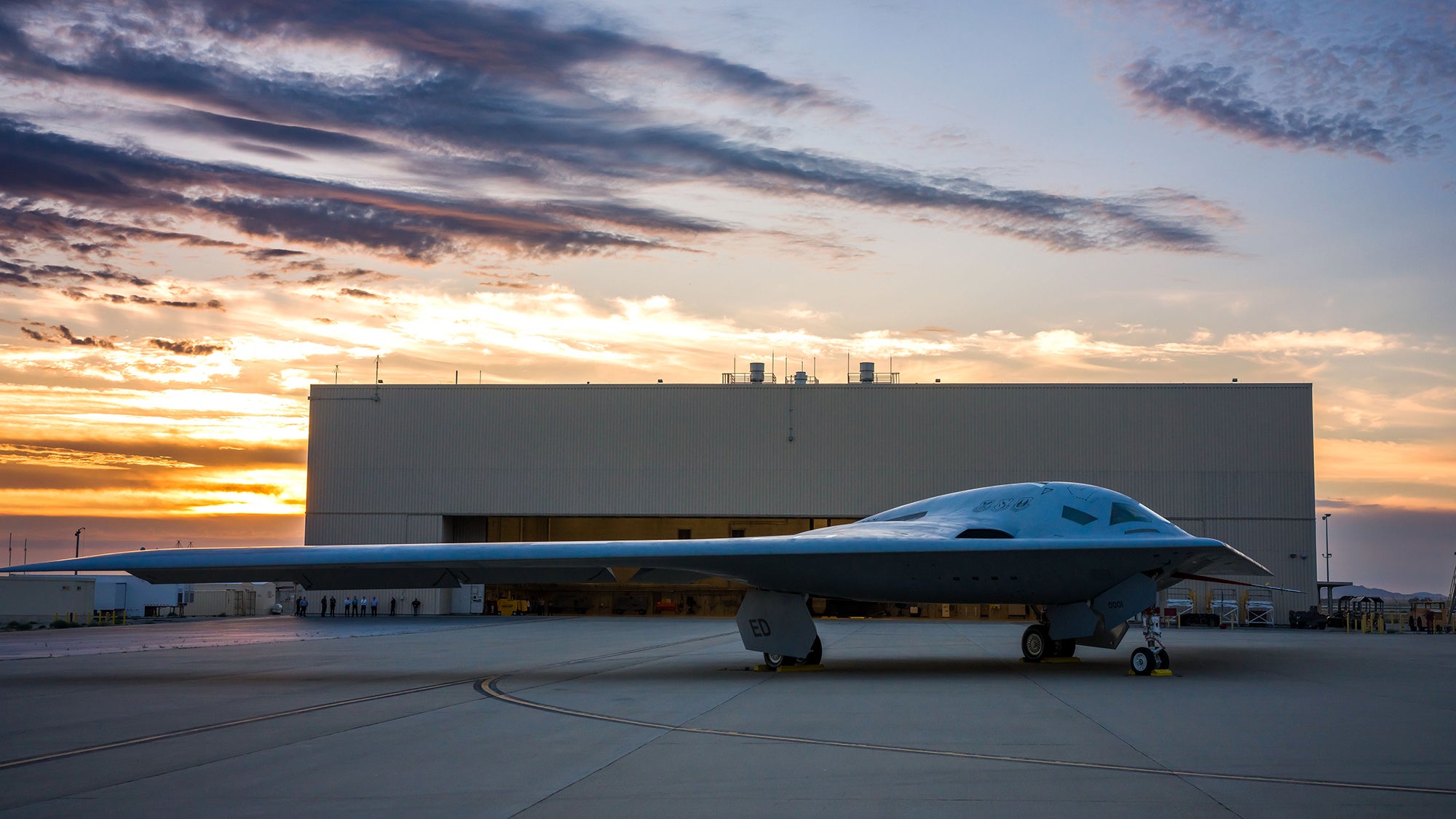
To achieve its stealth capabilities, the B-21 employs advanced composite materials and coatings that absorb radar waves rather than reflecting them. These materials serve multiple purposes:
- They reduce the radar signature.
- They are lightweight, contributing to improved performance.
- They resist heat, which is crucial for maintaining stealth during high-speed operations.
3. Integrated Systems and Automation
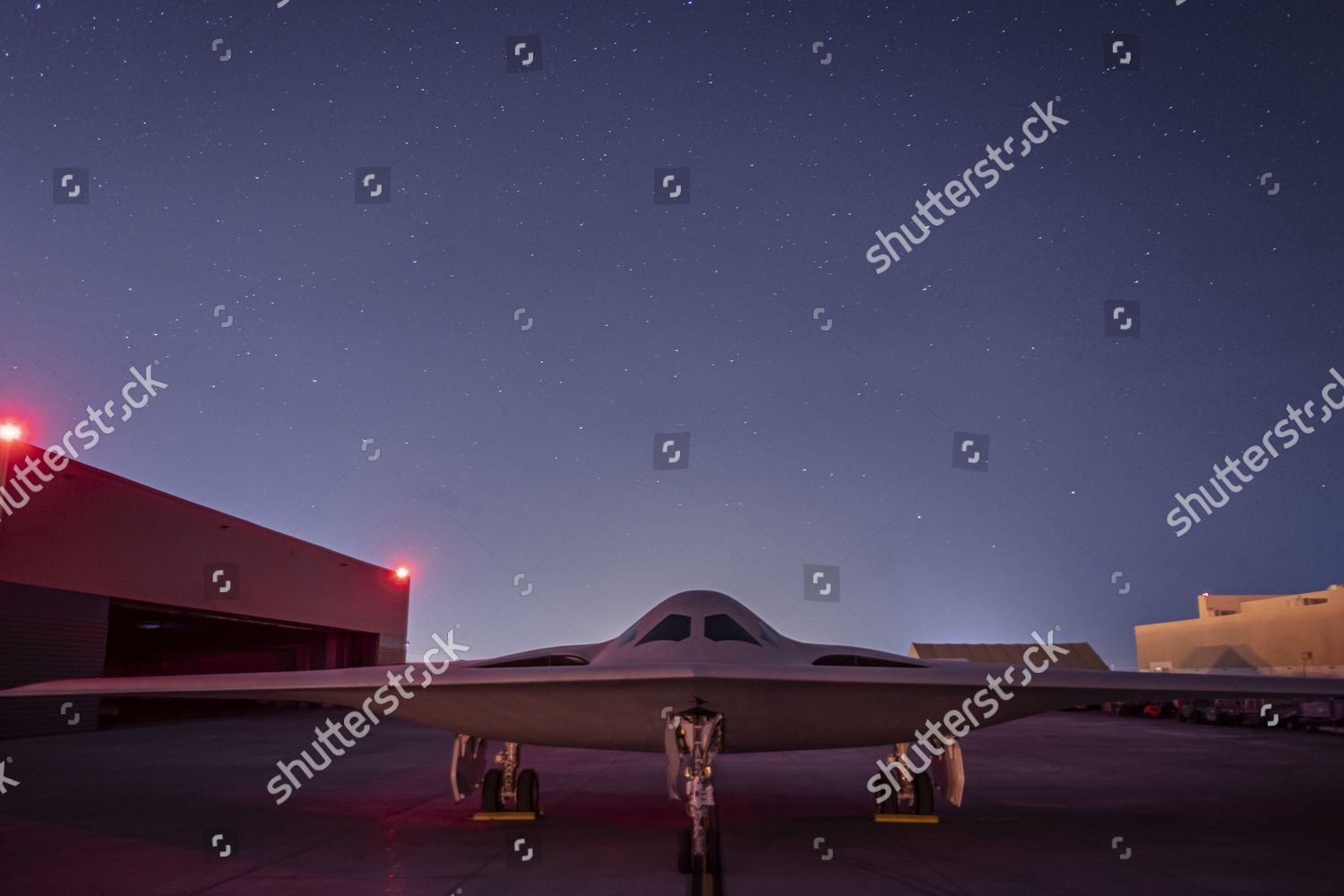
The B-21 Raider is designed with integrated systems that enhance its operational effectiveness. This includes:
- Autonomous Operations: The B-21 can conduct missions with varying levels of human oversight, using artificial intelligence (AI) to process data and make real-time decisions.
- Networking Capabilities: The bomber can communicate seamlessly with other aircraft and ground systems, enhancing situational awareness and coordination.
- Advanced Sensors: Equipped with state-of-the-art sensors, the B-21 can detect threats and gather intelligence without compromising its stealth.
Case Studies and Comparisons
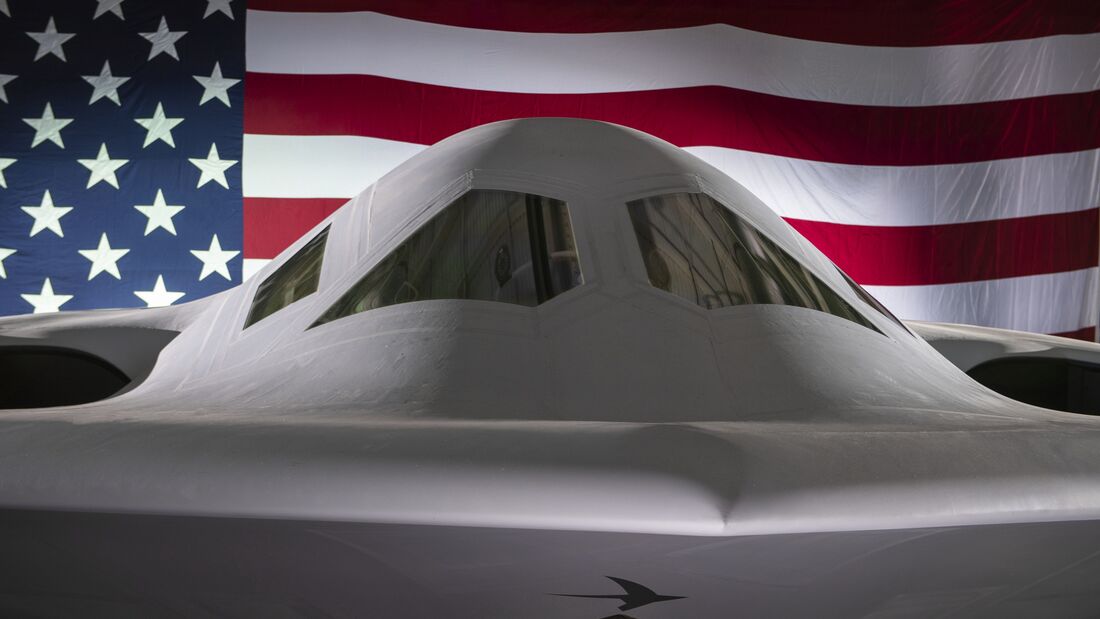
To understand the significance of the B-21’s innovations, it is essential to compare it with previous stealth aircraft and analyze its potential impact on modern warfare.
The B-2 Spirit
The B-2 Spirit, which has been in service since the late 1980s, was the first operational aircraft to utilize stealth technology. While the B-2 remains a powerful platform, the B-21 offers several enhancements:
- Improved Stealth: The B-21 incorporates lessons learned from the B-2 and recent advancements in stealth technology, resulting in a reduced radar signature.
- Enhanced Range: The B-21’s design improves fuel efficiency, allowing for longer missions without refueling.
- Modernized Systems: The B-21 features updated avionics, communication systems, and sensors, making it more effective in contemporary combat scenarios.
Global Comparisons

As the B-21 Raider enters service, it competes with international stealth aircraft such as the Russian PAK FA and the Chinese Chengdu J-20. Here’s how the B-21 stands out:
- Cost Efficiency: The B-21 is designed to be more cost-effective to produce and maintain compared to its foreign counterparts.
- Upgradability: The modular design of the B-21 allows for easier upgrades, ensuring it remains relevant against evolving threats.
- Interoperability: The B-21 is built to function within a networked combat environment, enhancing its effectiveness alongside other U.S. military assets.
Statistical Impact on Military Strategy
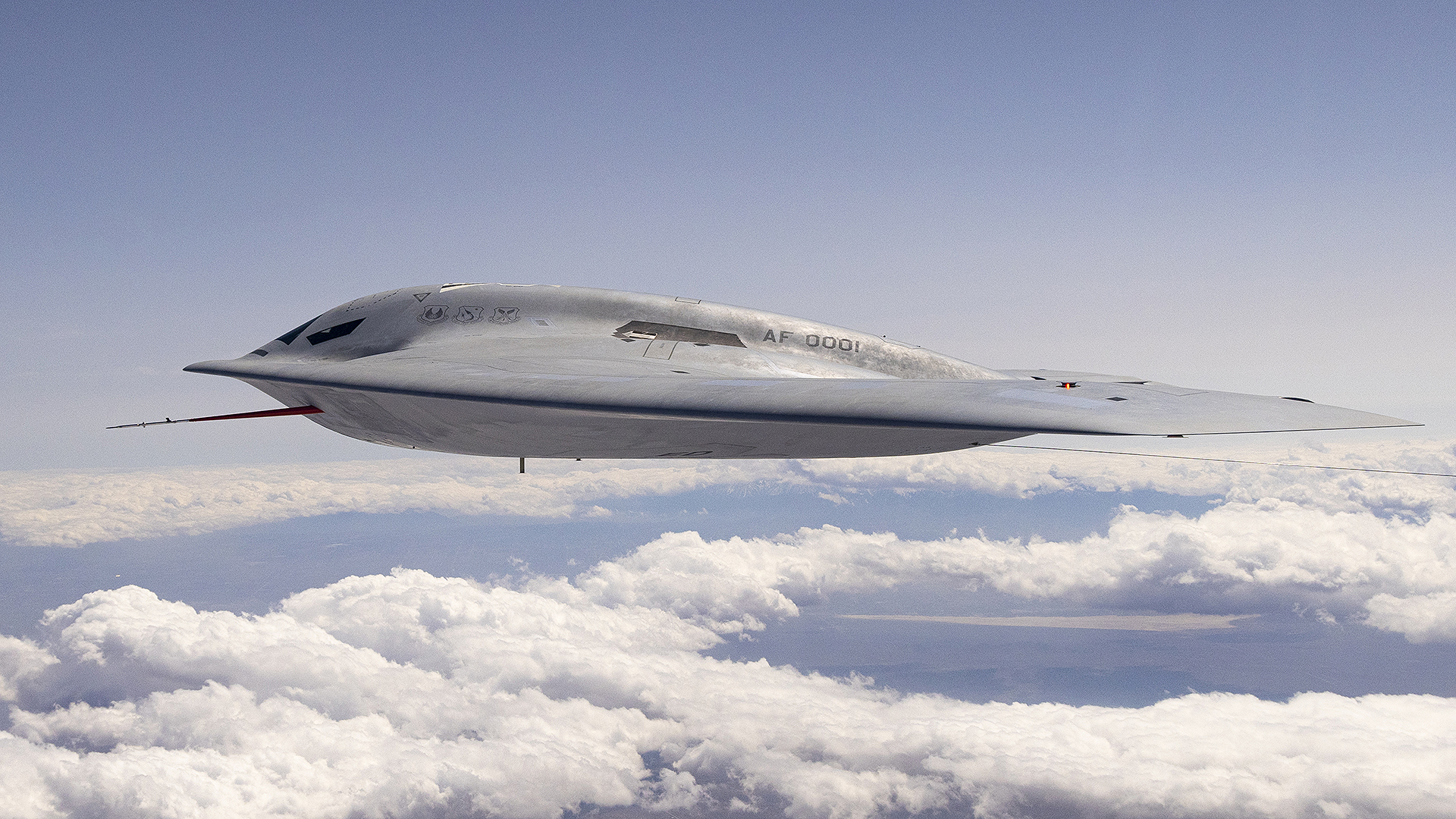
The introduction of the B-21 Raider is expected to have a profound impact on U.S. military strategy. According to military analysts, its stealth capabilities will enable:
- Increased Penetration Capability: The B-21 will allow the U.S. to operate in contested environments with a higher likelihood of success.
- Deterrence: The presence of advanced stealth bombers like the B-21 can deter adversaries from engaging in aggressive actions.
- Cost-Effective Long-Range Strikes: The B-21’s design supports long-range strike missions, reducing the need for additional support aircraft.
The B-21 Raider represents a significant advancement in stealth technology, showcasing innovations that enhance its operational capabilities and effectiveness in modern warfare. With its advanced aerodynamics, stealth materials, and integrated systems, the B-21 is poised to become a cornerstone of the U.S. Air Force’s strategic capabilities. As military technology continues to evolve, the Raider will not only redefine aerial warfare but also set the standard for future combat aircraft.
In summary, the B-21 Raider’s combination of cutting-edge design, advanced materials, and superior technology positions it as a transformative force in military aviation, ensuring that the United States maintains its strategic edge for decades to come.


